
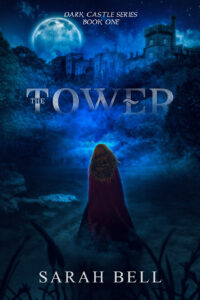
A fantasy novel written by Sarah Bell and book design by Graham Publishing Group.
If you’ve written a book, congratulations are in order! Of those who begin this endeavor, very few see it through to completion. This is true whether you write the book yourself or use a ghostwriter. If you’ve reached the finish line, you’re to be commended.
But now what? Most authors, unless they’re writing only for friends and family, would like to see their books reach as many readers as possible. This might lead authors to think their book is for everyone. After all, if you want a lot of people to read your book, it should appeal to every reader out there, right?
Not so fast. While it made sound counterintuitive, the best way to reach a wide audience is to identify your specific readership. That doesn’t mean individuals, of course, but it does mean readers who fit a specific profile.
So how do you figure this out? Here are some tips:
- Determine your genre. Most books fall into one broad genre and a few subgenres. A good starting point for determining where your book fits is the page “Selecting a BISAC Code” on the Book Industry Study Group’s website. BISAC is the acronym for Book Industry Standards and Communications, and BISAC codes are used by libraries and bookstores to determine where to shelf books. Knowing where your book would sit on a bookstore or library shelf is valuable in determining who will read it.
- Identify comps. Comparable titles, or “comps,” are one of the most useful tools for identifying your audience. Often, these are built-in for authors, because if we write in a certain genre, we also tend to read in that genre. As you read books in your genre, pay careful attention to books that closely resemble your own. Readers tend to gravitate toward books that are similar to books they’ve read and loved. For fiction readers, there’s both comfort and thrill in a storyline that’s somewhat familiar, but also presented uniquely. For nonfiction readers, a voracious appetite to learn everything they can about a particular subject means they often read book after book on the subject.
- Follow your comps’ authors. Sign up for their newsletters, follow them on social media, and go to their in-person events if you can. These activities will put you in proximity to these authors’ audiences, and by spending time with people who read your comp titles, you’ll begin to get a sense of what appeals to them. A word of caution: do not use your comp title authors’ social media to promote your own book. Refrain from commenting on their posts with mention of your book, unless the author specifically asks readers to chime in with such recommendations. Even then, enlist someone who has read your book to comment on your book’s behalf, if possible, rather than doing so yourself.
- Create an audience profile. Once you’ve gathered data about the type of readers likely to enjoy your book, take notes about their demographics. Where do they live? What gender(s) are they, and what age group(s) do they fall into? In addition to reading in your genre, what types of hobbies and interests do they have?
- Utilize the skills of experts. Those who have been around the business can offer you insight about what appeals to particular audiences in terms of cover design, social media, advertising, and other methods for connecting with your audience. For example, Graham Publishing Group’s professional cover designers offer a wealth of experience, backed by a company with nearly two decades in the business of book design. We follow trends and offer advice to our clients about what most resonates with their identified audience.
If you’d like to talk with us about your needs, including book design, audience identification, and marketing, please get in touch! We’re eager to learn about your book and see how we can help you connect with an audience of devoted readers.